2026 UK Garden Trends: What the RHS Predicts for the Year Ahead
Discover the 2026 UK garden trends: What the RHS predicts for the year ahead and how Yardistry Greenhouses help you get ahead this season, following the RHS predictions for an insight into what’s to come.
The Royal Horticultural Society has released its official predictions for 2026 UK garden trends, and this year’s trends are shaped more than ever by climate change, rising food costs, and a growing desire for purposeful, wildlife‑friendly gardens. From table top veg to indoor‑outdoor plants, the year ahead is all about resilience, creativity, and making every inch of the garden work harder.
Here’s what’s coming, and how Yardistry Greenhouses can help you stay ahead of the curve in adhering to these exciting garden trends for 2026 in the UK.

Tabletop Veg Takes Centre Stage
The RHS predicts a huge rise in dwarf vegetable varieties, perfect for small gardens, patios, and balconies. Expect to see:
- Table‑top chillies
- Compact aubergines
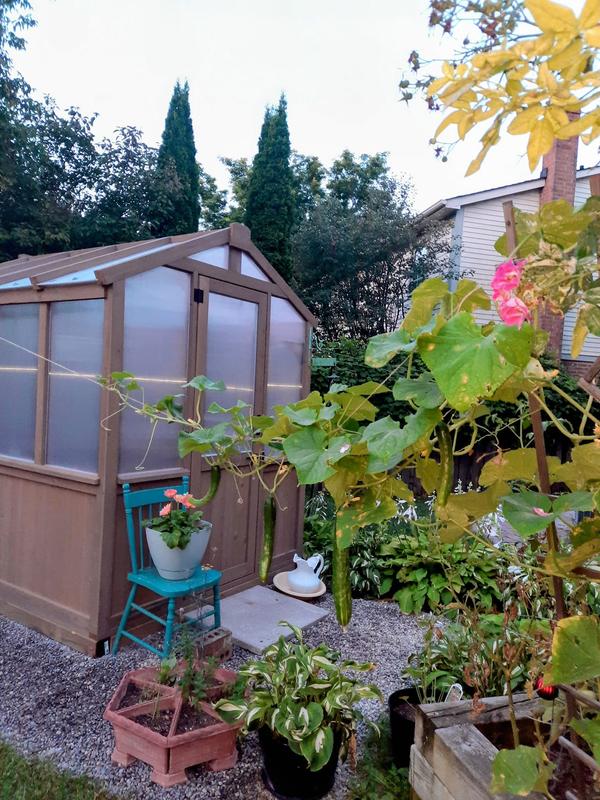
- Hanging‑basket cucumbers
- 50cm grape vines
These varieties are ideal for Yardistry Greenhouses, where controlled warmth and protection help early crops thrive, especially during unpredictable UK winters.
Blackcurrants Are the New Blueberries
New sweet blackcurrant varieties are set to rival blueberries thanks to higher yields and easier growing conditions. They’re perfect for:
- Raised beds
- Pots
- Greenhouse propagation before planting out
If you’re selling accessories or raised beds, this is a great cross‑sell opportunity, aligning with forward-thinking 2026 UK garden trends.
Indoor–Outdoor Plants Are Here to Stay
Warmer summers mean traditional houseplants like spider plants and Tradescantia are now thriving outdoors in pots and hanging baskets, showcasing yet another reflection of the UK garden trends for 2026.
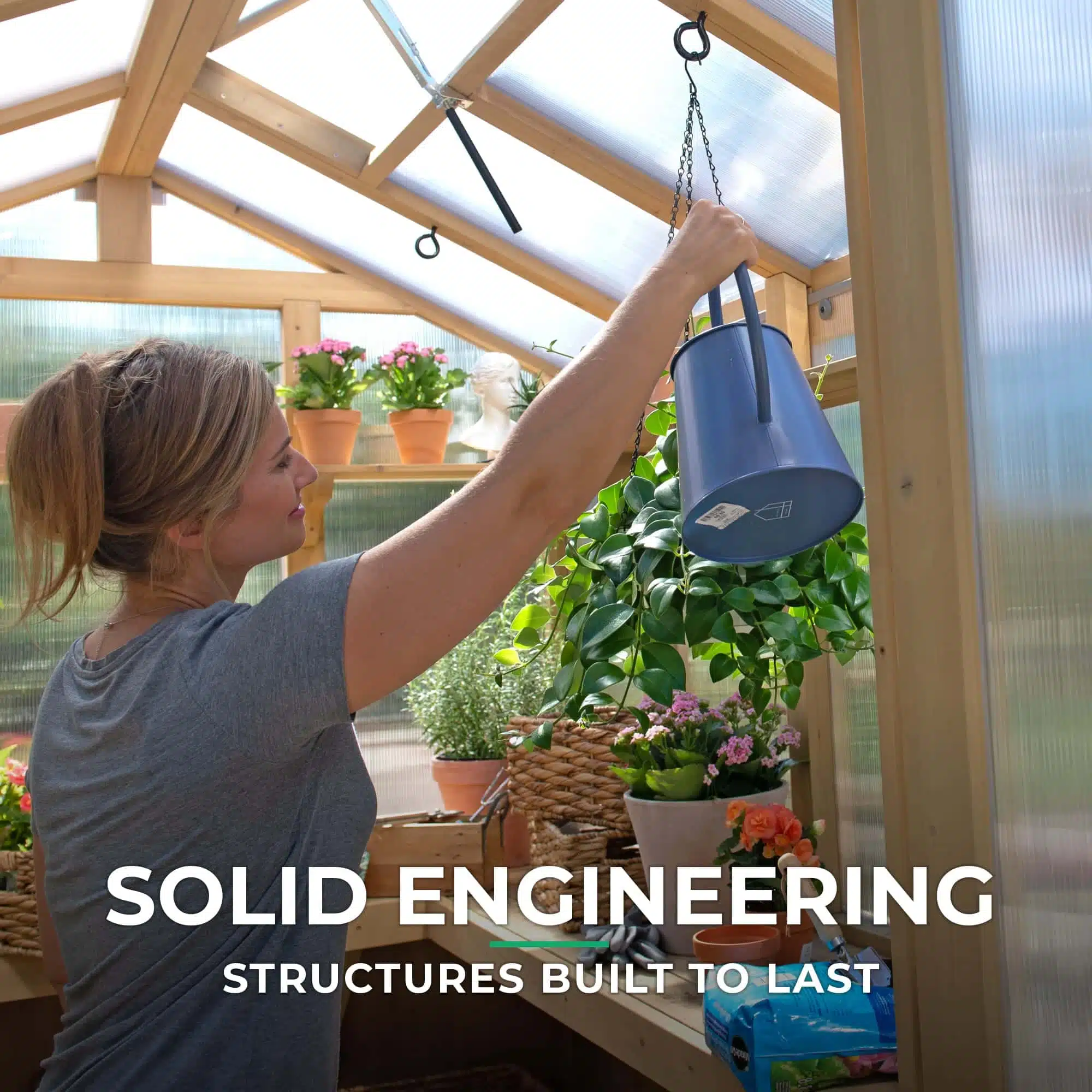
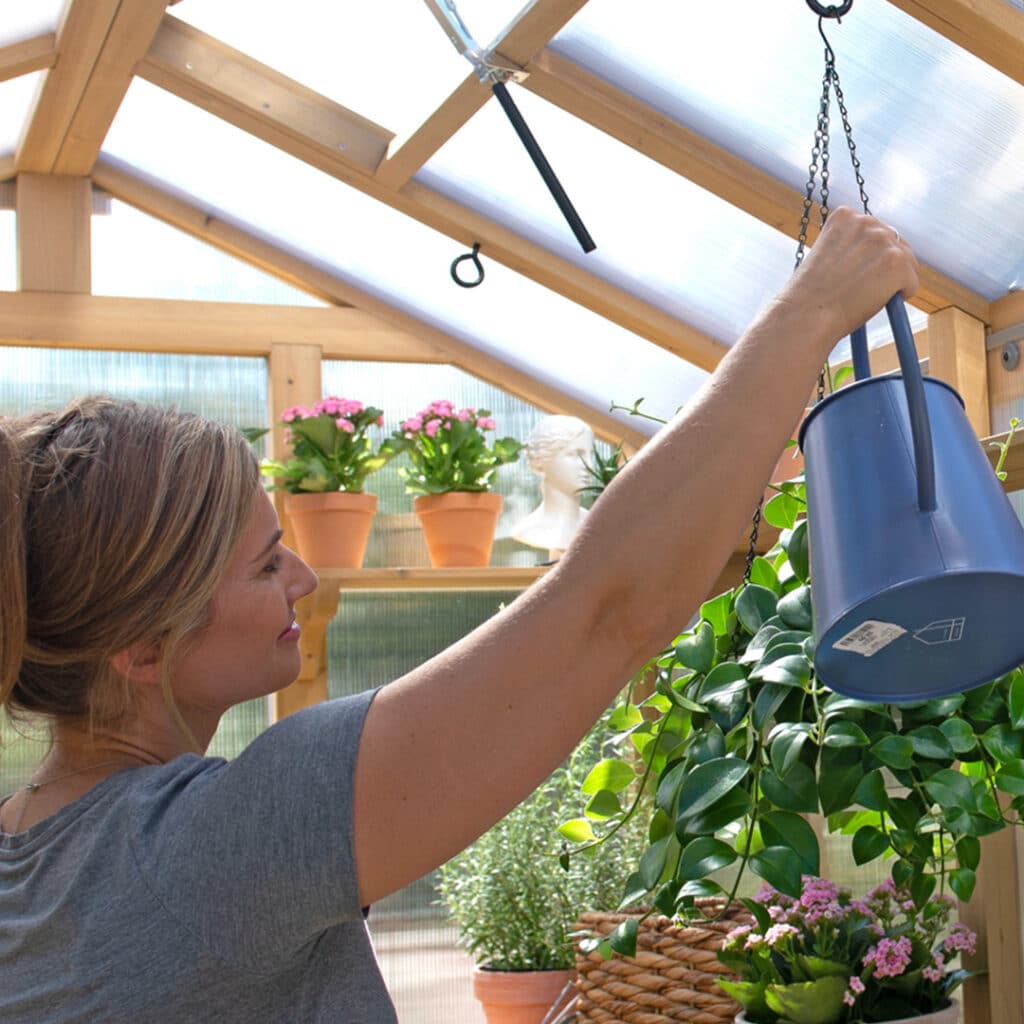
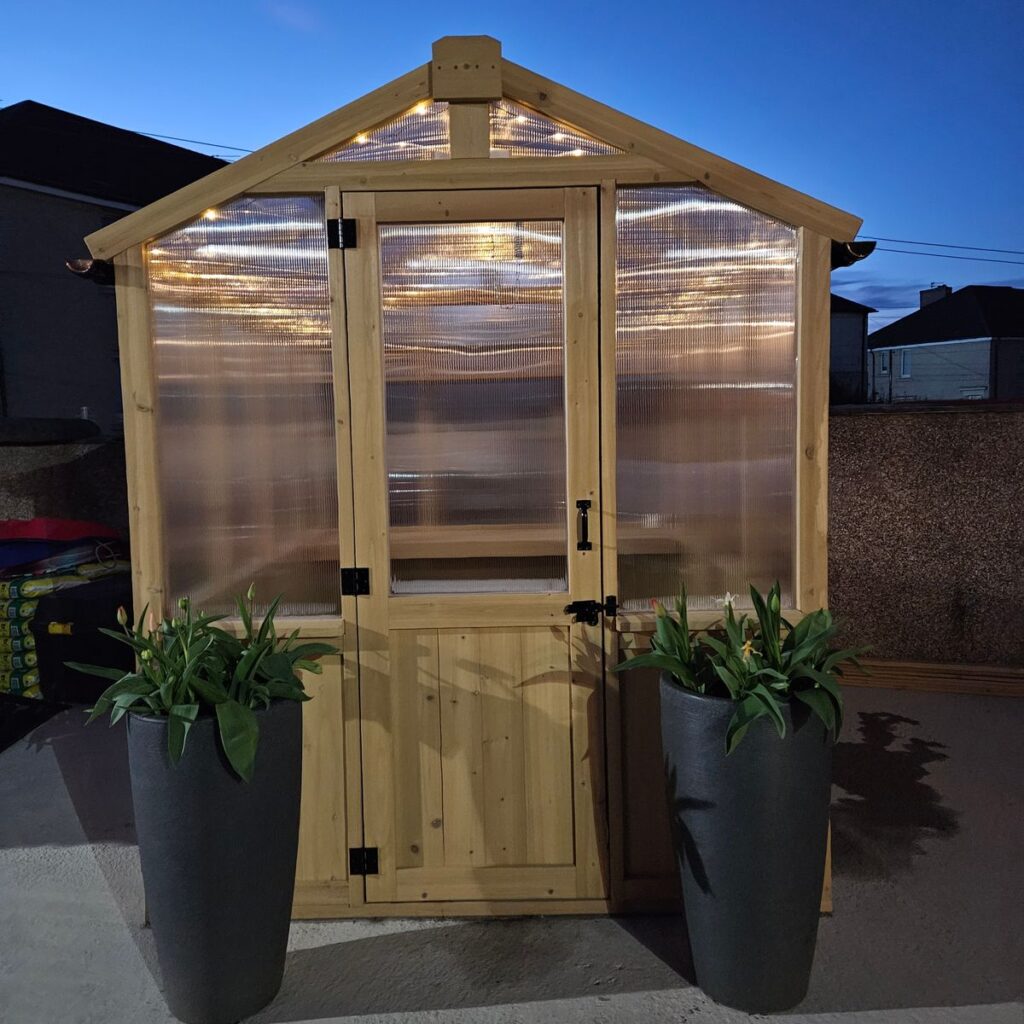
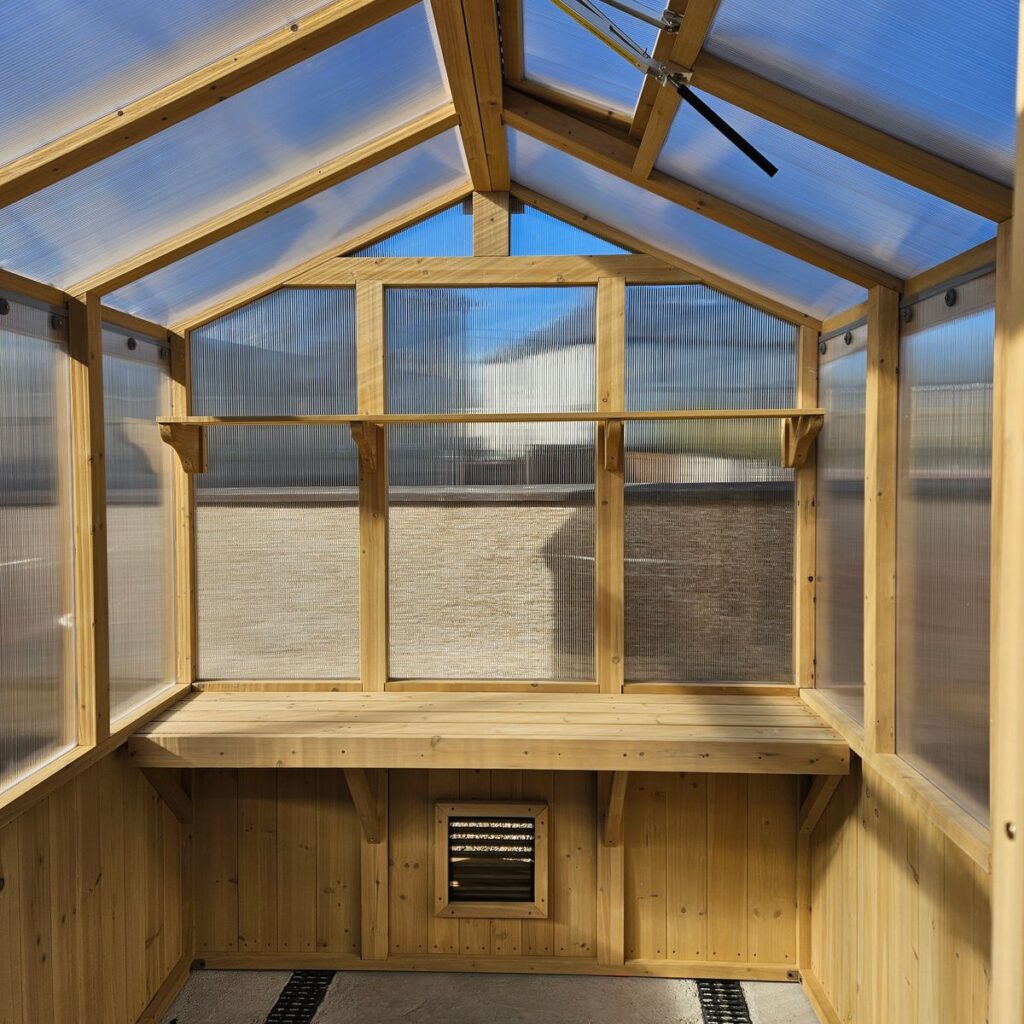
A Yardistry Greenhouse becomes the perfect “transition zone”, a sheltered space where tender plants can harden off before being moved outside for the summer.
Layered, Purposeful Planting
2026 gardening is all about purposeful planting, supporting wildlife, managing water, and coping with weather extremes. Expect more:
- Pollinator‑friendly borders
- Drought‑tolerant varieties
- Mixed bulb layering for long flowering seasons
A greenhouse helps gardeners start bulbs early, protect seedlings, and extend the growing season, demonstrating key 2026 UK garden trends effectively.




What You Can Grow in January (Yes, Even in the UK!)
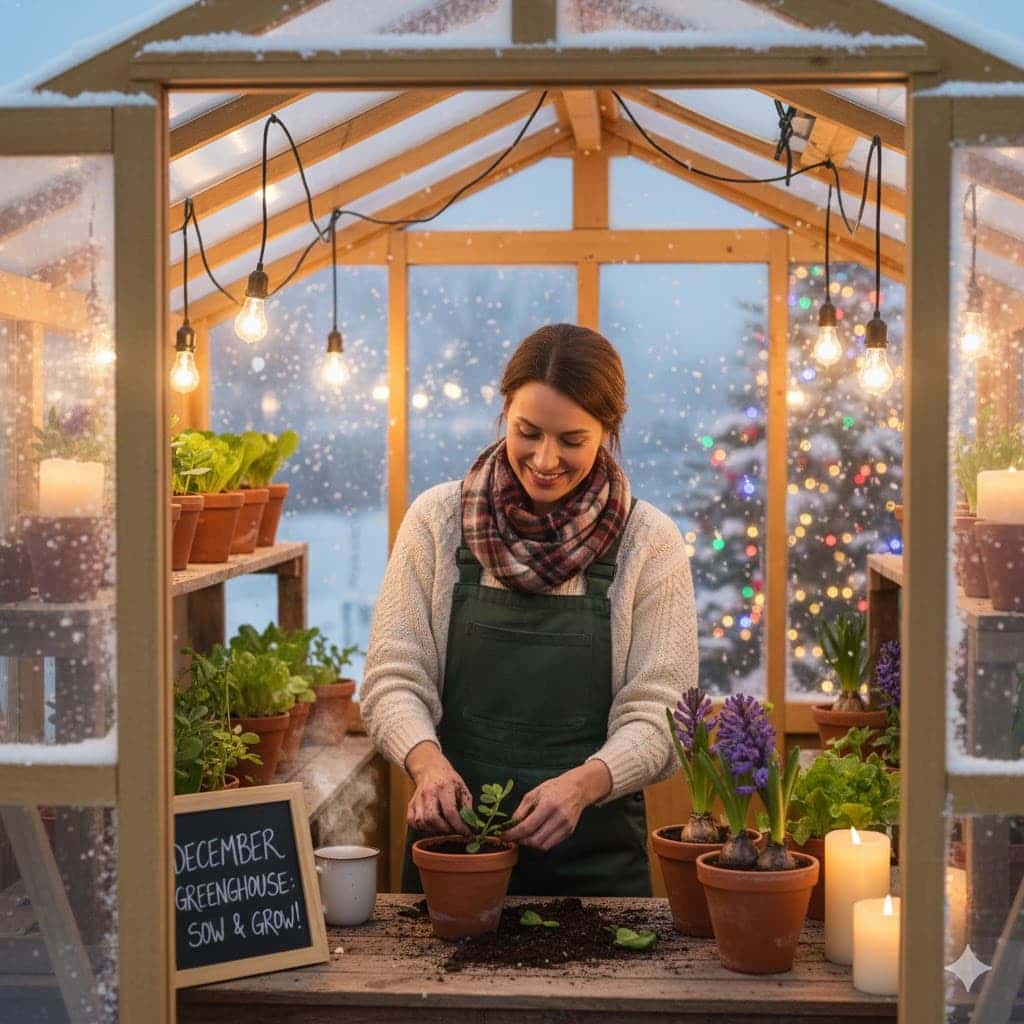
January is cold, dark, and often wet, but with a Yardistry Greenhouse, it becomes a productive month. Here’s what UK gardeners can successfully grow or start now:
In a Yardistry Greenhouse
- Broad beans (Aquadulce Claudia is ideal)
- Early peas
- Onions from seed
- Garlic
- Winter lettuce
- Spinach
- Pak choi
- Chillies & peppers (start early for long seasons)
- Sweet peas (for strong spring plants)
Outdoors (with protection)
- Rhubarb crowns
- Bare‑root fruit trees
- Blackcurrants (on‑trend!)
- Gooseberries
- Hardy herbs like rosemary and thyme
What to Harvest in January
- Kale
- Leeks
- Winter cabbage
- Parsnips
- Sprouts
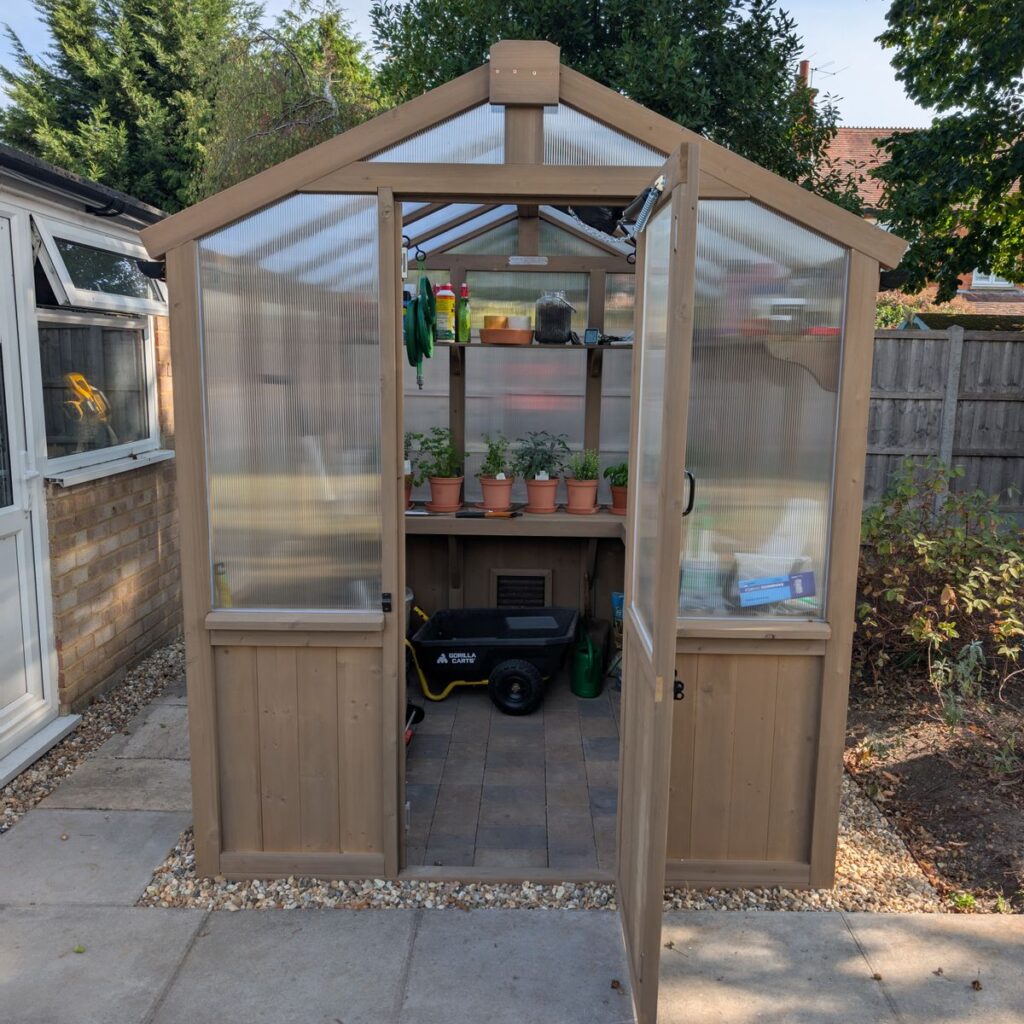
A greenhouse gives gardeners a huge advantage: earlier sowing, better germination, and protection from frost, wind, and heavy rain.
Why Yardistry Greenhouses Fit the 2026 Trends Perfectly
Every RHS trend for 2026 points toward one thing: gardens that work harder, grow more, and adapt to the changing climate.
A Yardistry Greenhouse supports all of this by offering:
Early sowing for tabletop veg
A protected space for indoor–outdoor plants
A controlled environment for blackcurrant propagation
A hub for wildlife‑friendly planting prep
A way to extend the growing season at both ends
And with gardeners increasingly focused on self‑sufficiency, a greenhouse becomes one of the most valuable structures in the garden.
2026 is shaping up to be a year of smart, resilient gardening, and Yardistry structures are perfectly positioned to help UK gardeners thrive. The anticipated garden trends happening in the UK for 2026 show that, whether it’s growing compact veg, experimenting with indoor‑outdoor plants, or starting crops early in January, a greenhouse gives gardeners the confidence and capability to grow more than ever before.