Greenhouses – what vegetables and fruits can we grow?
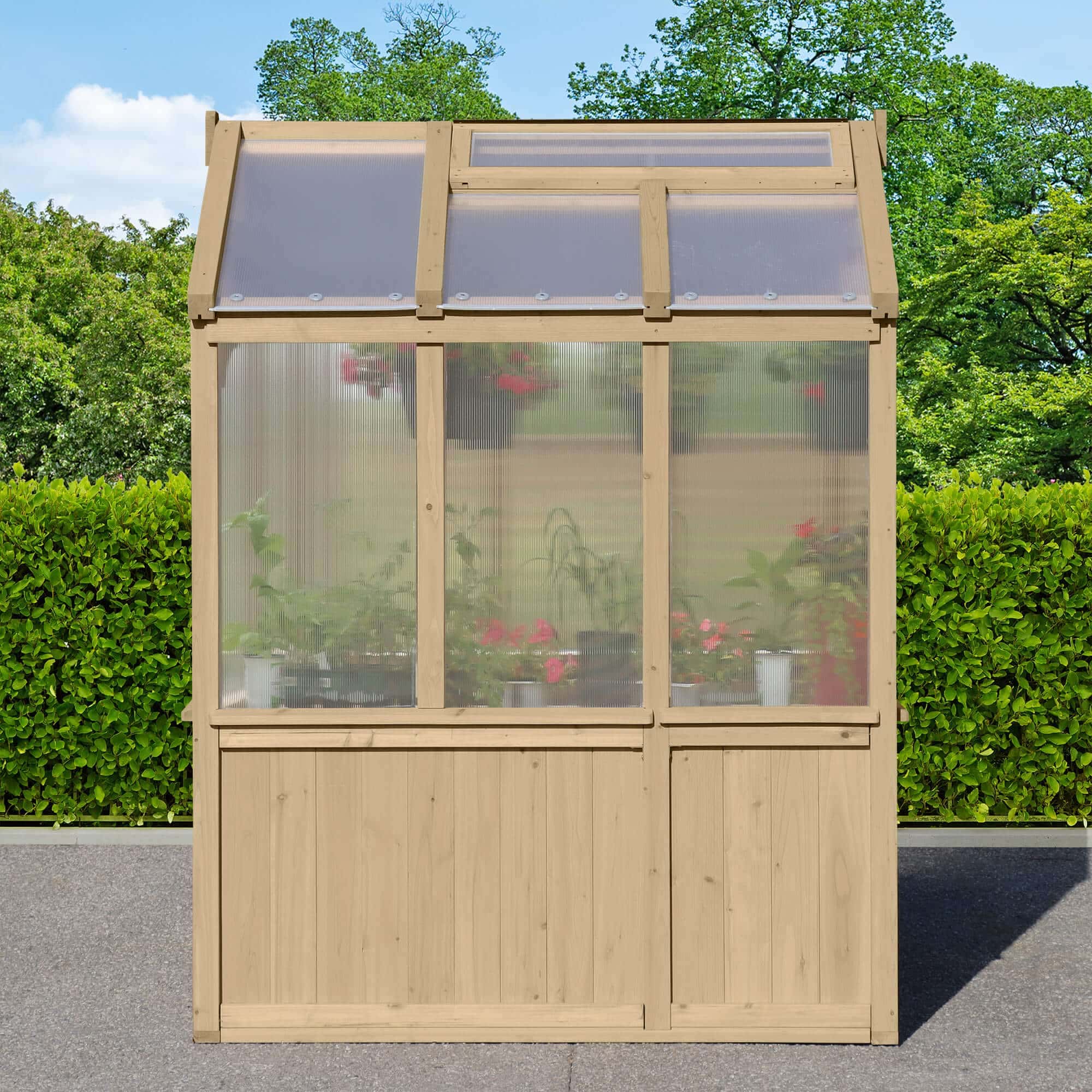
Greenhouses are useful tools for gardeners, and families alike. It is common place to see a greenhouse in a garden or on an allotment site. The Yardistry Greenhouse would make a fantastic long term investment. With its contemporary style and natural wood colouring, it blends beautifully in any garden. Experienced gardeners will tell you that making the most out of a greenhouse is very much a learning process. The internet, social media accounts and gardening magazines all offer helpful hints, as do garden centres. Gardens of all sizes can be enhanced by adding a greenhouse. They not only enable gardeners and families to grow fruits and vegetables all year round. But they also provide a great centre piece for any outdoor space they are installed within. Greenhouses are the perfect way to get all the family involved – children or grandchildren!
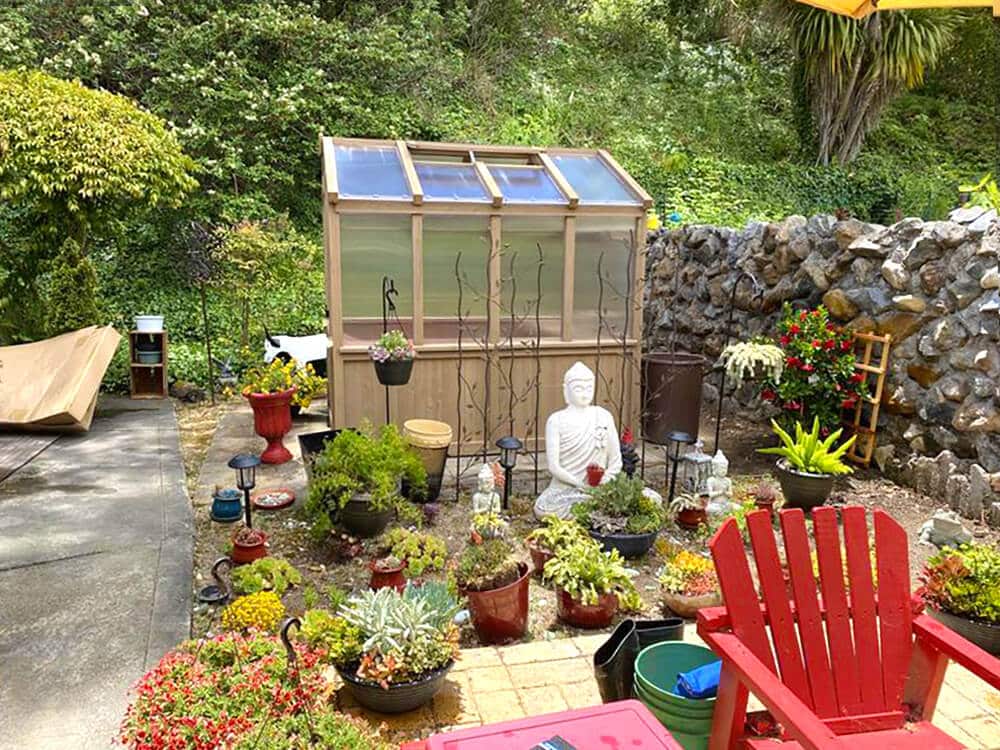
The Yardistry greenhouses embrace technology, with a heat sensitive automatic roof vent opener. This helps maintain optimal temperature and airflow within the greenhouse – one less thing to worry about!
What can we grow in our Greenhouses?
The list is endless! Greenhouses are also commonly used to nurture plants that can eventually grow outside in the garden. This allows hardy vegetable plants to be sown earlier than if you just planted outdoors. Greenhouses are also used for fruits and vegetables that prefer a warm consistent heat. Our guide below shows examples for all the seasons.
Late Winter into Early Spring
This is the time to plant any hardy plants. Start them off in the greenhouse before you transfer outside for the warmer weather. Consider crops such as Brussels sprouts, cabbage, celeriac, leeks, onions and peas.
Mid Spring
Now is the time to sow fast-growing tender plants. Usually squashes, courgettes, pumpkins, and cucumbers. Start french beans, melons or sweetcorn so they are ready for a final planting under glass in late spring, or outside in early summer. A heated propagator can be added to your greenhouse if required. This is a device that uses heat to help seeds and cuttings grow or germinate indoors. Another option is that many garden centres now offer ready-grown plants – such as pepper and tomato, for introducing to unheated greenhouses. If herbs are your thing then consider starting basil, for further growing indoors or moving outside in summer. A sensory herb garden is a delight to walk out to in the summer months.
Late Spring into Early Summer
Greenhouses are perfect for growing succulent crops such as tomatoes, aubergines and cucumbers throughout summer. Once started you can plant summer greenhouse plants into their final positions indoors, then harden off and plant out the young plants once the frost has passed. Strawberries are always a favourite and once started in late spring indoors, these can be repotted and moved outside to bask in the summer sun.
Mid Summer
Time to reap the benefits of your hard work. Harvest the summer crops and tidy up, removing unused cucumber, bean or melon. Plant broccoli, french beans and parsley outside for bringing in when summer crops have finished. Not forgetting peppers and chillies too in those warmer months. Depending on the size of your greenhouse, sow lettuces, herb and salad leaves or baby carrots indoors. Therefore making use of the autumn sun to offer late harvests.
Autumn
Remove any unused summer crops. Plant out lettuces into beds or grow bags to harvest over winter. Add some parsley to vary the herb offerings. Broad beans do well over-winter and can be planted out once frosts have ended and soils are more manageable in early spring. Move herbs in pots indoors to keep them longer. Ideally to hand on a kitchen windowsill. Therefore making use of the natural light. Late autumn sun is beneficial for a harvest of salad crops such as lettuce, spinach or kale.
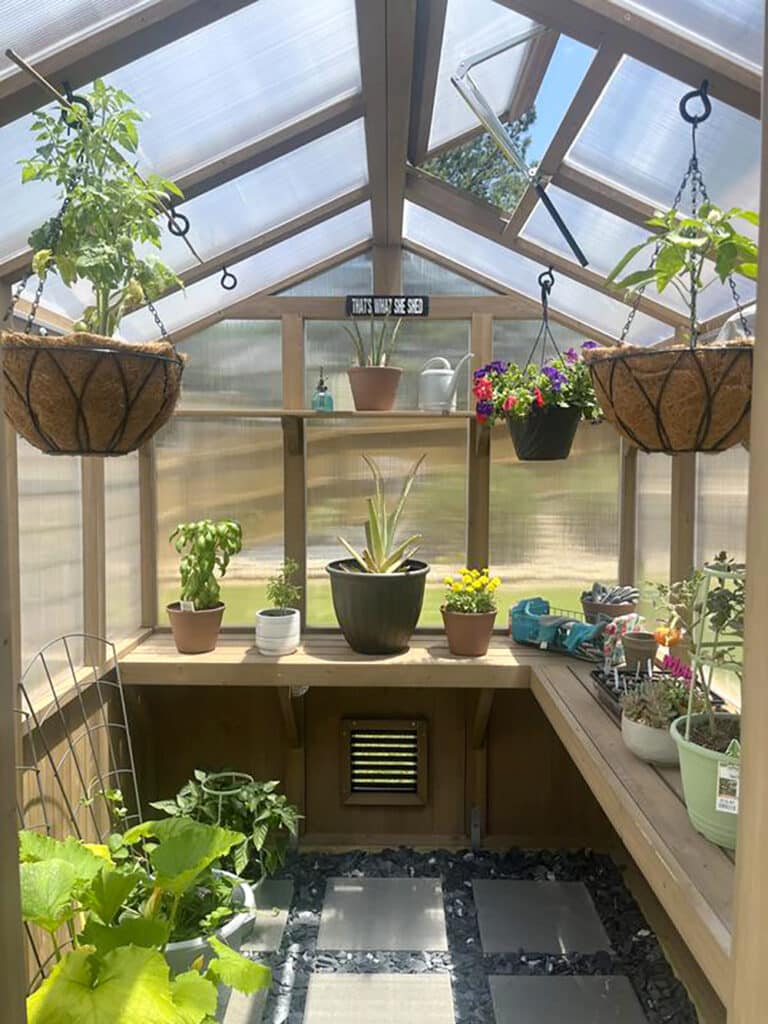
A well organised and managed greenhouse can be productive for most of the year. Heated greenhouses allow for maximum, year-round use. Propagators are effective as described above. These do require more maintenance though and you must check any heating devices are safely installed and compliant. It is important to note that these additions are rarely cost effective.
Yardistry Direct is recognised as the leading manufacturer and innovator of cedar greenhouses in this industry. We continually strive to expand the possibilities of these structures by utilising cutting-edge design and construction methods. Our Meridian Greenhouses are not only aesthetically pleasing but also highly functional. Whether you are a novice gardener or a seasoned enthusiast, we are confident that our cedar greenhouses will surpass your expectations, providing you with years of enjoyment and success.