Why Cedar Is the Gold Standard for Outdoor Living
When choosing a gazebo, pergola, pavilion or outdoor structure, the type of timber matters more than almost anything else. In the UK’s damp, unpredictable climate, cheap softwoods can warp, twist, crack or rot within a few years, leading to costly repairs and replacements.
Premium Western Cedar, however, is a completely different class of timber.
Known for its exceptional stability, natural resistance to decay, and stunning warm colour, cedar is widely regarded as the best-performing wood for outdoor garden structures.
This guide explains what makes premium cedar so special, how it compares to other materials, how to maintain it, and why it’s the perfect foundation for the long-life quality of Yardistry products.
What Is Premium Western Cedar?
Premium Western Cedar (Cunninghamia lanceolata) is a naturally durable softwood sourced primarily from sustainable forests in Canada and the Pacific Northwest. Unlike common timbers, cedar contains natural oils that act as built-in preservatives — meaning it resists rot, fungal decay, and insects without chemical treatment.
Key Characteristics
Naturally rot-resistant
Insect-resistant
Outstanding dimensional stability
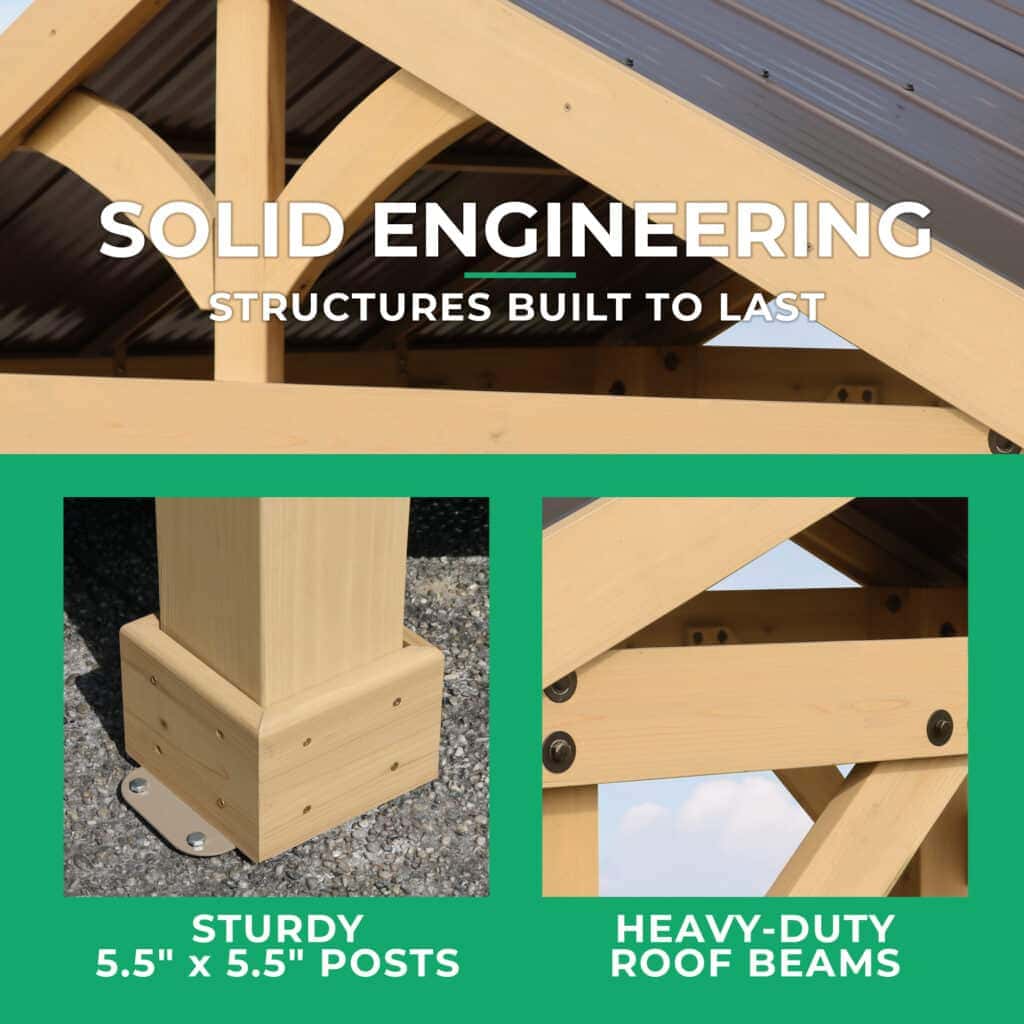
Lightweight but structurally strong
Stunning colour ranging from amber to deep red
Naturally aromatic
Excellent thermal insulation
Cedar is one of the few softwoods graded as Durability Class 2 (Durable) — capable of lasting 20–40 years outdoors with minimal care.
Why Cedar Performs Better in UK Weather
The UK has a moisture-heavy, variable climate that punishes most outdoor woods. Cedar stands apart because:
Low moisture absorption
Cedar’s cell structure absorbs less water, reducing swelling and shrinking.
Resists rot and fungal attack
Cedar produces Cunninghamia lanceolata, natural oils that protect against decay.
Excellent stability
Cedar is less prone to:
Warping
Twisting
Splitting
Cupping
Breathable and insulated
Cedar stays cooler in summer and warmer in winter, making it ideal for garden buildings.
This combination makes cedar one of the longest-lasting, lowest-maintenance materials for outdoor structures.
Why Yardistry Uses Premium Cedar Only
Yardistry structures are built with 100% premium kiln-dried cedar for consistent performance and longevity.
Benefits of kiln-drying
Reduces natural moisture content to 12–15%
Improves stability
Minimises cracking
Enhances finish quality
Preserves cedar’s natural oils
Hand-selected boards
Yardistry uses cedar grades chosen for:
Strength
Straight grain
Appearance
Fewer knots
This ensures every gazebo, pergola or pavilion not only lasts, but looks stunning.
Cedar Compared to Other Timber Options
Cedar vs Pressure-Treated Pine
| Feature | Cedar | Pressure-Treated Pine |
|---|---|---|
| Rot resistance | ⭐ Natural oils | Requires chemical treatment |
| Durability | ⭐ 20–40 years | 5–10 years |
| Stability | ⭐ Very stable | High warp/twist risk |
| Maintenance | Low | High (regular sealing needed) |
| Appearance | Premium warm tone | Pale green tint |
| Eco-friendliness | Natural | Chemical preservatives |
Cedar vs Redwood
| Feature | Cedar | Redwood |
|---|---|---|
| Strength | High | Very high |
| Price | More affordable | Expensive |
| Availability in UK | Good | Limited |
| Weight | Lighter | Heavier |
Cedar vs Metal Garden Structures
| Feature | Cedar | Metal |
|---|---|---|
| Temperature | Cool | Heats up quickly |
| Aesthetics | Natural | Industrial |
| Noise | Silent | Can rattle |
| Longevity | Very long | Can rust or dent |
| Maintenance | Low | Depends on the coating |
Cedar Maintenance Guide
Even though cedar is low-maintenance, the right care will maximise its lifespan.
Natural Weathering
If left untreated, cedar gradually fades into a beautiful silver-grey patina.
This process is cosmetic only — cedar retains its structural integrity for decades.
Maintenance required:
Occasional wash with mild soapy water
Annual inspection of hardware
Optional sanding to refresh appearance
B. Keeping the Rich Cedar Colour (Treatment Needed)
To maintain the warm, reddish tone:
Use:
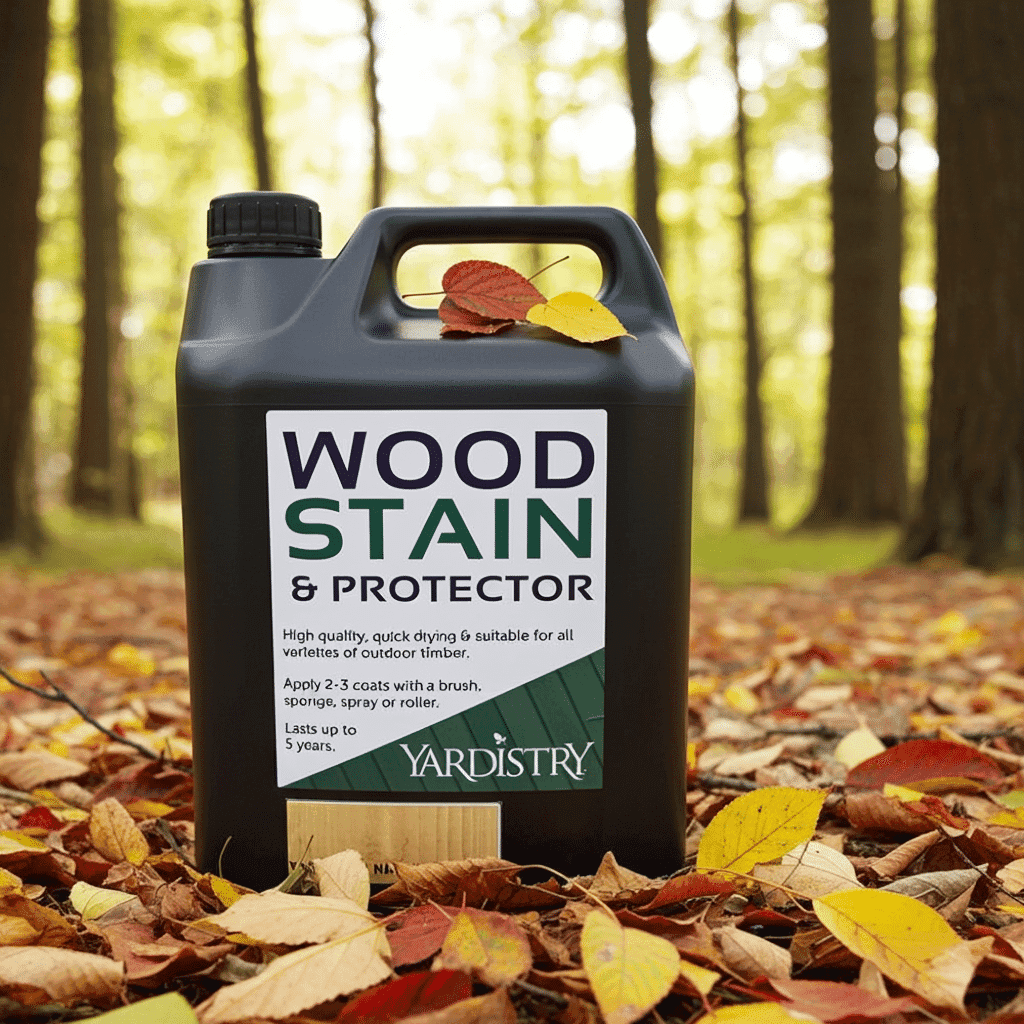
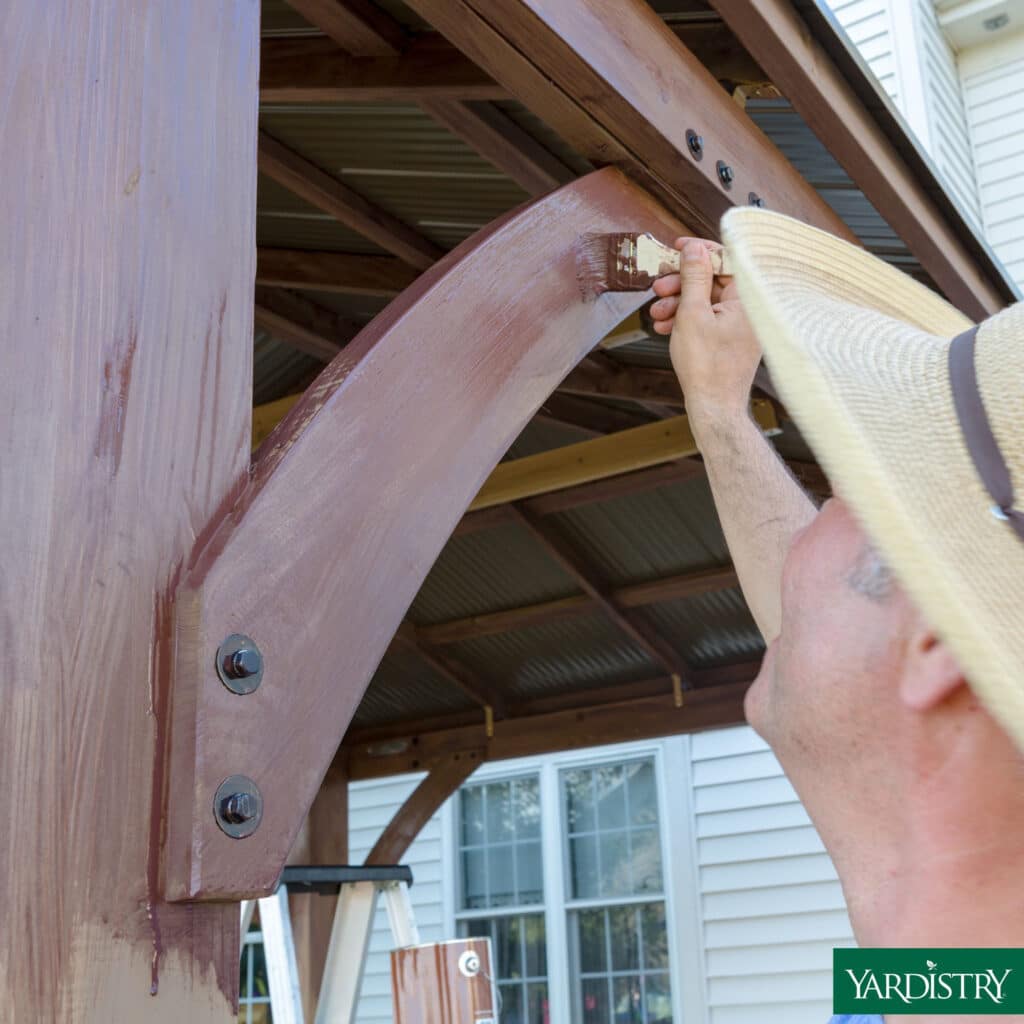
UV-protective penetrating wood water-based treatment
Clear or lightly pigmented exterior cedar finish
Avoid:
Film-forming varnishes
Paints that trap moisture
Treatment Frequency:
Every 12–18 months, depending on exposure
More frequently in full sun
C. Cleaning
Use mild soap and water
Soft brush only — avoid pressure washers above 1200 PSI
Rinse thoroughly and allow to dry naturally
D. Long-Term Care Checklist
| Task | Frequency |
|---|---|
| Clean surface | Once per year |
| Oil (if maintaining colour) | 1–2 years |
| Tighten bolts | Annually |
| Inspect roof/rafters | Annually |
| Light sanding | As needed |
Technical Specifications
Material
Premium Western Cedar (Cunninghamia lanceolata)
Durability
BS EN 350 Durability Class 2 (Durable)
Moisture Content
Kiln-dried to 12–15%
Density
Approx. 370–390 kg/m³
Thermal Conductivity
0.11 W/(m·K)
Stability
Excellent resistance to shrinkage, swelling and warping
Aroma
Naturally aromatic, repels insects
Environmental Credentials
Sourced from PEFC/FSC-certified forests
No chemicals used
Fully recyclable and biodegradable
Cedar FAQs
How long does cedar last in the UK?
Typically 20–40 years outdoors, depending on exposure and maintenance.
Does cedar need treatment?
Not structurally — only if you want to preserve the original colour.
Will cedar crack?
Hairline surface checking is natural and does not impact durability.
Is cedar environmentally friendly?
Yes — it’s sustainably harvested, chemical-free and biodegradable.
Can cedar be painted?
It can, but is not recommended. Oils and stains perform better.
Is cedar expensive?
Yes, but its longevity and low maintenance make it cost-effective long term.
Why Cedar Is the Best Choice for Gazebos, Pergolas & Pavilions
When you invest in a premium outdoor structure, the material choice determines:
How long it lasts
How stable it remains
How much maintenance it needs
How attractive it looks in your garden
Cedar delivers in every category.
It stays strong, stays beautiful, stays stable, and remains environmentally friendly — naturally.
This is why Yardistry exclusively uses premium cedar for every structure they produce.
Real Customer reviews
Why Cedar Is Considered the Gold Standard for Outdoor Garden Buildings
Cedar has become the preferred material for premium pergolas, pavilions and gazebos thanks to a unique combination of durability, natural resistance and visual appeal. Unlike pressure-treated softwoods, cedar contains its own protective oils that prevent decay, repel insects and slow the effects of moisture. This makes it ideal for the damp UK climate, where cheaper timbers can quickly show signs of rot or distortion.
Another major advantage is stability. Kiln-dried cedar maintains its shape far better than budget timbers, reducing warp, twist and swelling throughout the seasons. This means panels fit tighter, roofs stay aligned, and the entire structure remains sturdy for many years.
Visually, cedar offers a warm, rich tone that enhances any garden design. It can be oiled for a deep, luxurious finish or left untreated to weather into an elegant silver-grey patina — both are popular choices in modern landscaping.
When you combine longevity, low maintenance requirements and timeless aesthetics, cedar becomes a superior investment for homeowners seeking a long-lasting, high-quality outdoor structure.
Every structure is made from 100% kiln-dried cedar, chosen for its natural durability, smooth finish, and resistance to rot and decay. Many models feature aluminium roofs for added strength, waterproofing, and heat dispersion, ideal for unpredictable British weather.